


Qafila Ecommece Fulfilment Log
Talk to an agent

The Impact of Seasonal Shopping on E-Commerce Fulfillment – Preparing for Peak Times 

Introduction

As we approach the holiday season, the landscape of e-commerce fulfillment in the UAE undergoes a dynamic evolution. Shoppers gear up for the thrill of Black Friday, the frenzy of Cyber Monday, and the joy of finding that perfect gift for loved ones during the festive season. But behind the scenes, e-commerce businesses face a race against time to prepare for the seasonal shopping surge. 

The holiday rush typically brings challenges and opportunities. With more customers swarming online stores, e-commerce businesses must deliver seamless shopping experiences. This article explores the intricacies of e-commerce fulfillment during peak shopping times, dissecting the hurdles faced by businesses and uncovering the vital strategies to thrive during these exciting periods of high demand. 

Understanding Seasonal Shopping Trends

Analyzing Peak Shopping Periods

Peak shopping periods are the times when customer demand surges dramatically, leading to higher sales. The first step in understanding these periods is to identify them. Common peak shopping periods include major holidays like Christmas and Thanksgiving, and special events like Black Friday and Cyber Monday. 

To dive deeper, businesses should examine historical data during these times, including sales trends and customer behavior. This analysis can reveal patterns, such as specific weekdays or times of day when shopping peaks. This information helps e-commerce fulfillment companies prepare adequately by allocating resources and planning promotions. 

Key Factors Driving Seasonal Demand

Understanding the key factors driving seasonal demand in e-commerce fulfillment allows businesses to respond effectively.  

Firstly, cultural and religious holidays have a significant impact. For example, Christmas drives a surge in demand for gifts and decorations, while Thanksgiving leads to increased food-related purchases. Also, promotional events like Black Friday and Cyber Monday create a sense of urgency, encouraging customers to shop. Discounts, limited-time offers, and exclusive deals heighten demand during these events. 

Another influence on buyer behavior is the changes in weather and seasons. For instance, winter sees an increase in warm clothing and holiday-related items, while summer prompts purchases of outdoor and recreational products. 

Lastly, current events and trends can drive seasonal demand. For instance, a new tech gadget or a popular TV show can spark increased interest and sales during specific seasons. 

Challenges in E-commerce Fulfillment During Peak Times

Inventory Management and Stockouts

E-commerce businesses must accurately predict customer demand, ensuring they have enough stock to meet orders without overstocking and tying up capital. Advanced software and data analysis are crucial for maintaining the right balance. 

Running out of popular products, known as stockouts, can harm a business’s reputation. E-commerce fulfillment companies need to minimize stockouts by monitoring inventory levels in real-time and establishing relationships with reliable suppliers. Being out of stock can lead to lost sales and frustrated customers. 

Scalability and Resource Allocation

E-commerce businesses often struggle with scaling up their operations quickly during peak times. This process requires having the infrastructure and technology to handle increased website traffic, customer inquiries, and order processing. Else, website crashes and poor customer experiences occur. 

Properly allocating resources such as staff, equipment, and warehouse space are equally crucial during peak times. E-commerce fulfillment services often involve flexible staffing arrangements to handle spikes in demand. 

Meeting Delivery Timelines

Customers expect their orders to arrive on time, especially during peak shopping periods. E-commerce businesses must work closely with shipping partners and optimize their logistics to ensure delivery as planned. Failing to do so can lead to dissatisfied customers and potential brand damage. 

E-commerce fulfillment companies also need efficient routing and delivery options to handle more orders. This process can include partnering with local delivery services or using advanced tracking systems to deliver accurately and timely. 

Managing Returns and Exchanges

During peak times, the number of returns tends to increase. E-commerce businesses must establish clear return policies, efficient return processing systems, and strategies for restocking returned items to minimize losses. 

Handling returns and exchanges promptly and professionally is vital to maintaining customer satisfaction. Businesses need effective customer support systems to address return requests and streamline the process. Failure to manage returns effectively easily dissatisfies customers and damages the brand’s reputation. 

Strategies for Efficient Peak Season Fulfillment

Forecasting and Demand Planning

E-commerce businesses must analyze historical data, market trends, and any unique factors affecting demand during peak periods. With accurate forecasts, they can adjust their inventory levels, procurement, and production schedules.  

This strategy, in turn, helps meet customer demand while minimizing excess stock. This proactive approach also allows businesses to allocate resources efficiently and prevent stockouts in warehouse e-commerce fulfillment. 

Scalability through Temporary Staffing

E-commerce businesses often hire temporary staff to manage the surge in demand. These additional workers can assist with order processing, packing, and customer support.  

Scalability through temporary staffing ensures the business has the necessary manpower to handle the increased workload efficiently and maintain service quality. 

Automation in Warehousing and Picking

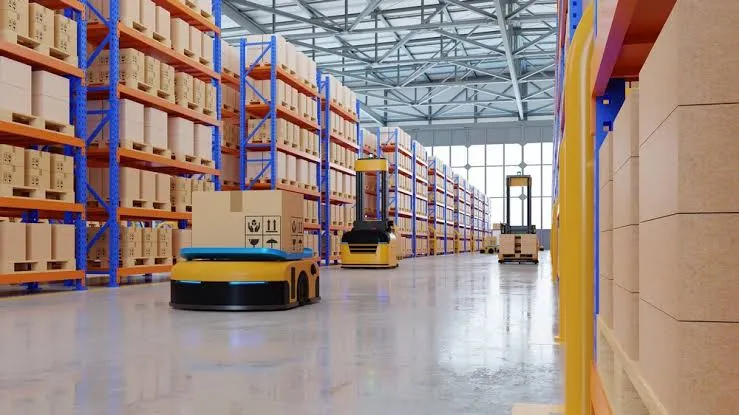
Automated systems, such as conveyor belts and robotics, streamline the movement of products, reducing the time and labor required for picking and packing. Automated systems can also minimize errors, leading to faster order fulfillment and improved customer satisfaction. 

Outsourced vs In-house Fulfilment

In-house fulfillment provides more control but requires significant investment in infrastructure, labor, and technology. On the other hand, 3PL e-commerce fulfillment can offer cost savings and expertise.  

Deciding the right approach depends on factors like the business’s size, peak season duration, and long-term goals. Still, some businesses may choose a hybrid approach, which involves combining in-house and outsourced fulfillment to balance control and flexibility.  

Optimizing Last-Mile Delivery

Enhancing Delivery Routes

By using advanced route planning software, businesses can streamline the movement of packages from distribution centers to customers’ doorsteps. This strategy minimizes travel time, reduces fuel costs, and lowers the environmental impact.  

Optimization also involves grouping deliveries efficiently to avoid unnecessary detours. Consequently, drivers can follow the most efficient paths to reach multiple destinations. 

Utilizing Same-Day and Next-Day Services

To meet customer demands for speed, warehouse e-commerce fulfillment often employs same-day and next-day delivery services. These expedited options significantly improve the customer experience by ensuring swift delivery of orders.  

However, this strategy requires well-organized logistics. E-commerce fulfillment warehouse locations should follow strategic planning. Businesses can also partner with reliable couriers to make quick deliveries that are economically viable. 

Real-Time Shipment Tracking

Real-time shipment tracking provides customers with visibility into order status and location. This feature further enhances transparency, and also reduces customer anxiety and inquiries.  

Furthermore, advanced tracking systems utilize GPS technology. This tool enables customers to follow their delivery’s progress on a map and receive timely updates on estimated delivery times. 

Customer Communication and Transparency

Open and consistent communication with customers is vital in optimizing last-mile delivery. Businesses should keep customers informed about their orders at every stage of the delivery process.  

This process includes order confirmation, notifications of dispatch, estimated arrival times, and alerts in case of delays. Such transparency fosters customer trust and loyalty. 

Ensuring Inventory Readiness

Safety Stock and Buffer Inventory

Safety stock represents an extra quantity of products held in reserve to guard against unexpected spikes in demand, supply chain disruptions, or delays.  

Buffer inventory literally acts as a buffer between production and customer demand. These products ensure that even if supply chain hiccups occur, you can fulfill customer orders without interruption. 

Efficient Replenishment Strategies

Businesses must establish well-defined reorder points and reorder quantities to restock products at the right time.  

Methods like Just-In-Time (JIT) inventory management and Economic Order Quantity (EOQ) calculations help minimize e-commerce fulfillment costs while preventing stockouts. By optimizing replenishment, e-commerce businesses can balance between cost savings and maintaining sufficient inventory levels to meet customer demands. 

Real-Time Inventory Visibility

Advanced inventory management systems and software allow businesses to monitor their inventory levels, track sales, and forecast demand in real time. This real-time visibility enables proactive decision-making.  

When a particular product is in high demand, businesses can adjust their inventory accordingly. Such visibility also helps prevent overstocking and improves resource allocation throughout the supply chain. 

Streamlining Returns Management

Effective returns management is another aspect of inventory readiness. E-commerce businesses need clear, efficient processes for handling product returns. This includes inspecting, restocking, or refurbishing returned items as quickly as possible.  

Streamlining returns management helps maintain accurate inventory records, reducing discrepancies between physical and recorded stock. This strategy, in turn, ensures that available inventory is indeed ready for customer orders. 

The Role of Technology in Seasonal Fulfillment

Warehouse Management Systems (WMS)

Warehouse Management Systems (WMS) are software solutions that streamline warehouse operations by optimizing storage, order picking, and shipping processes. During peak shopping times, WMS helps businesses efficiently manage inventory, keeping products in accessible locations and reducing the time it takes to fulfill orders.  

Barcode scanning and automated tracking enhance accuracy and speed in order processing. With WMS, e-commerce fulfillment services can adapt to increased demand, maintain order accuracy, and provide timely deliveries. 

Order Management Systems (OMS)

Order Management Systems (OMS) provide a seamless shopping experience during seasonal peaks. They enable businesses to efficiently manage plenty orders and allocate inventory effectively. Customers benefit from real-time order status updates and being able to track their purchases. 

With OMS in place, e-commerce businesses can provide efficient, transparent, and stress-free order processing during seasonal peaks. 

Data Analytics and Machine Learning

Data Analytics and Machine Learning (ML) are technologies that help e-commerce businesses forecast demand accurately. They do so by analyzing historical sales data, market trends, and customer behavior. ML algorithms can identify patterns and make predictive recommendations, guiding inventory management and promotional strategies.  

Moreover, data analytics aid in identifying bottlenecks and inefficient fulfillment processes. By harnessing the power of data and ML, e-commerce businesses can refine their operations and respond swiftly to seasonal fluctuations. 

Qafila: Your Partner in Peak Season Preparedness

How Qafila Enhances E-commerce Fulfillment During Peak Times

When it comes to managing the chaos of peak shopping seasons, Qafila is the steadfast partner you need. Qafila, with cutting-edge technology and logistics expertise, delivers e-commerce fulfillment services during the busiest times of the year. 

Our Warehouse Management System (WMS) and Order Management System (OMS) are tailor-made for the demands of peak seasons. These systems streamline the entire omnichannel e-commerce fulfillment process, from inventory management to order processing. With WMS, you can ensure efficient storage, precise tracking, and rapid order preparation. 

Collaborating with Qafila for Seamless Seasonal Operations

Qafila’s team of experts is ready to join forces with your e-commerce business, ensuring seamless seasonal operations. They understand the challenges common in peak times and provide B2B e-commerce fulfillment options to conquer them. 

Qafila’s technology is cloud-based and scalable, which means it grows with your business. Whether you need to handle a 100% increase in orders or 10,000, Qafila is ready. We ensure you only pay for what you need, reducing your e-commerce fulfillment costs. 

Qafila's Success Stories in Peak Season Support

Qafila isn’t just about promises; it’s about results. Our success stories in peak season support testify to their expertise. E-commerce businesses that have history with Qafila have experienced remarkable improvements in their seasonal operations. 

With Qafila’s help, businesses have seen reduced stockouts and overstocking, leading to cost savings and improved customer satisfaction. Our technology has optimized e-commerce fulfillment in UAE, resulting in quicker delivery times and happier customers. And our data-driven insights have enabled businesses to make better decisions, ultimately boosting sales and profitability during peak times.  

Conclusion

Embracing the peak seasons in e-commerce, with all their challenges and opportunities, is the ultimate test of a brand’s resilience and adaptability. It’s those businesses that meticulously forecast, streamline their operations, and embrace technology to meet increased customer demands that emerge victorious during the holiday rush and special events. 

Still, it’s not just about meeting the needs of customers during these peak times. Businesses must elevate the entire shopping experience. So, as we prepare for the next peak season, remember that using the right strategies, innovation, and a customer-centric approach can only help e-commerce businesses totally conquer the challenges and seize the countless opportunities available. 

You May Also Like

ECommerce Packaging Trends and Insights 2026: Monthly Market Update

ECommerce Packaging Trends and Insights 2026: Monthly Market Update

Zero Backlogs, Faster Deliveries: Qafila’s Peak-Season Fulfillment Success Story for an Electronics Brand Introduction In 2026, eCommerce packaging is being pulled in three directions at once: cost pressure from shipping and returns, rising sustainability expectations, and the need to stand out in a crowded digital shelf. Across markets, the “winning” packaging playbook looks less like […]
Just-In-Time Fulfillment Excellence for a Consumer Electronics Retailer

Just-In-Time Fulfillment Excellence for a Consumer Electronics Retailer

Seamless Fulfillment for Rapid Growth: A GCC Beauty Brand’s Success Story with Qafila Introduction Rapid growth across Amazon and multiple online marketplaces pushed a consumer electronics retailer to rethink its fulfillment operations. Faced with rapidly evolving product lines and volatile order volumes, the retailer leveraged Qafila’s advanced logistics network and technology-driven solutions to optimize inventory management, streamline order processing, and […]

Scaling Peak-Season Fulfillment for a Consumer Electronics Retailer

Scaling Peak-Season Fulfillment for a Consumer Electronics Retailer

From Self-Fulfillment to Seamless Logistics-How Qafila Resolved a Skin Care Brand’s Fulfillment Struggles in the GCC Introduction As peak-season demand surged, a fast-growing consumer electronics e-commerce retailer in the GCC faced mounting fulfillment pressure. Partnering with Qafila, a UAE-based e-commerce fulfillment specialist, the retailer transformed their operations. Qafila’s agile solutions enabled same-day fulfillment, improved order accuracy, and […]

From Warehouse to Living Room: Qafila’s White-Glove Packaging and Delivery For Consumer Electronics Brand

From Warehouse to Living Room: Qafila’s White-Glove Packaging and Delivery For Consumer Electronics Brand

Taking a High-Profile Egypt Beauty Brand to UAE Consumer Introduction Qafila, an efficient third-party logistics (3PL) provider, partnered with a major electronics brand to address complex packaging and distribution needs for their high-value consumer electronics. This case study highlights how Qafila delivered customized fulfilment solutions to streamline packaging processes, enhance product protection, and improve delivery efficiency for their client’s innovative electronic products, such as […]

Enhancing Last-Mile Delivery for a Smart Home Tech Retailer

Enhancing Last-Mile Delivery for a Smart Home Tech Retailer

Optimizing E-Commerce Fulfillment with Qafila – Success Story of A Leading Beauty Brand in the UAE Introduction A rapidly expanding smart home technology retailer in the GCC region faced rising last-mile delivery costs and inefficiencies that threatened customer satisfaction and profitability. By partnering with Qafila, a UAE-based e-commerce fulfillment expert, the retailer optimized their last-mile operations, reduced delivery […]

Zero Backlogs, Faster Deliveries: Qafila’s Peak-Season Fulfillment Success Story for an Electronics Brand

Zero Backlogs, Faster Deliveries: Qafila’s Peak-Season Fulfillment Success Story for an Electronics Brand

Reducing Last-Mile Delivery Costs for a UAE Book and Stationery E-commerce Brand Introduction In 2024, a trailblazer in consumer electronics in the UAE renowned for its innovative gadgets and smart wearables—partnered with Qafila to reinvent its fulfillment operations during peak seasons. Faced with unpredictable surges in demand, the brand needed a fulfillment solution that could adapt on the fly, ensuring that […]