Qafila Ecommece Fulfilment Log
Talk to an agent

Enhancing Retail Fulfillment through Technology Integration 

Introduction

Retail shopping is part of everyday activity, hence increasing the pressure to meet customer demands swiftly and accurately. With the rise of e-commerce, consumers expect fast delivery times, seamless shopping experiences, and impeccable accuracy in their orders.  

For retailers, meeting these expectations can be a daunting task. However, integrating advanced technologies into retail fulfillment processes offers a promising solution. Let’s explore how technology can streamline retail order fulfillment, improve accuracy, and ultimately enhance customer satisfaction. We’ll discuss these concepts in simple terms and highlight the human emotions involved in this transformation. 

The Current State of Retail Fulfillment

Before diving into technological solutions, it’s important to understand the current state of professional retail fulfillment solutions. Many retailers still rely on traditional methods that are often manual and prone to errors. These include manual inventory tracking, paper-based order processing, and outdated point-of-sale (POS) systems. While these methods have served retailers well in the past, they are increasingly inadequate in today’s fast-paced retail environment.  

The Emotional Toll

For employees, the reliance on outdated systems can lead to frustration and burnout. Picture a store associate manually tracking inventory, only to find discrepancies that lead to stockouts or overstocking. Customers, on the other hand, may experience disappointment and anger when their orders are delayed or incorrect. These emotions underscore the need for a more efficient and accurate fulfillment process. 

The Promise of Technology Integration

Integrating advanced technologies into retail fulfillment processes can address these challenges head-on. Let’s explore some key technologies and how they can enhance retail fulfillment. 

Real-Time Inventory Management Systems

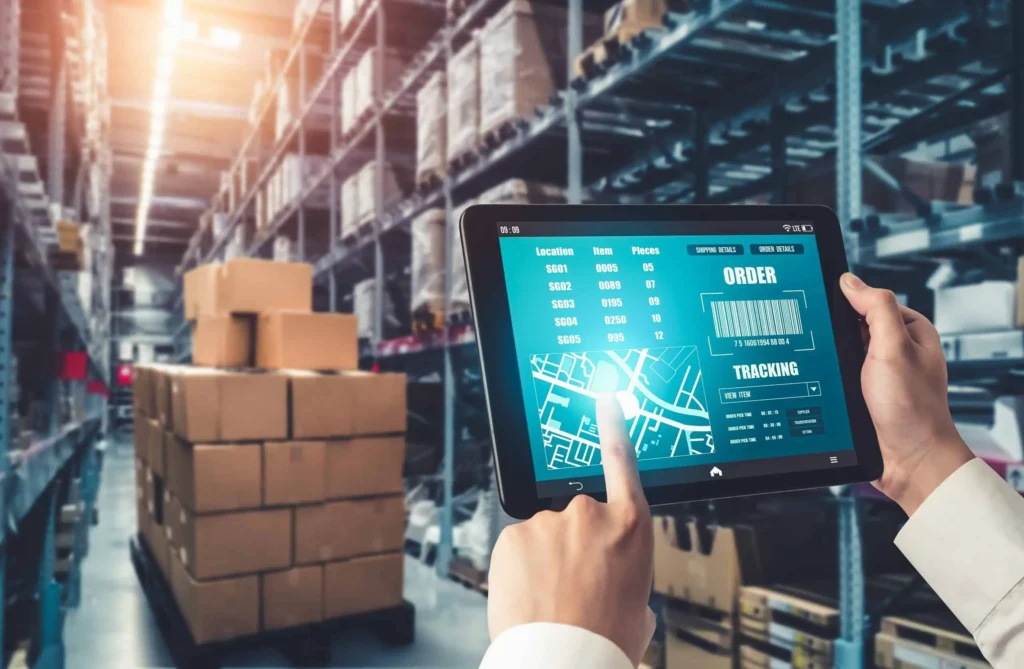
Real-time inventory management systems use software to track inventory levels continuously. These systems integrate with POS and retail e-commerce platforms to provide an up-to-date view of stock levels across all locations. 

Benefits

  • Accuracy: Real-time tracking reduces the risk of stock-outs and overstocking, ensuring that inventory levels are accurate. 
  • Efficiency: Automated tracking eliminates the need for manual inventory counts, saving time and reducing human error. 
  • Customer Satisfaction: Customers receive accurate information about product availability, leading to fewer disappointments. 

Human Emotions

Imagine the relief of a store associate who no longer has to spend hours counting inventory manually. Instead, they can rely on accurate data from the system, freeing up time to assist customers. For customers, knowing that their desired product is in stock provides peace of mind and satisfaction. 

Automated Order Processing

Automated order processing systems handle the entire order lifecycle, from order placement to fulfillment, little wonder they are adopted by top online retail companies. These systems integrate with inventory management and shipping platforms to ensure a seamless process. 

Benefits

  • Speed: Automation speeds up order processing, reducing the time from order placement to shipment. 
  • Accuracy: Automated systems minimize the risk of human error, ensuring that orders are processed correctly. 
  • Scalability: These systems can handle a high volume of orders, making them ideal for peak shopping seasons. 

Human Emotions

For employees, automated order processing alleviates the stress of managing a high volume of orders manually. They can focus on more meaningful tasks, such as providing excellent customer service. Customers benefit from faster delivery times and accurate orders, leading to increased satisfaction and loyalty. 

Warehouse Management Systems (WMS)

A Warehouse Management System (WMS) is software that helps manage and optimize warehouse operations. It includes functionalities like inventory tracking, order picking, packing, and shipping and it is adopted in modern retail fulfillment warehouses. 

Benefits

  • Efficiency: WMS optimizes warehouse layout and order-picking routes, reducing the time and effort required for fulfillment. 
  • Accuracy: Advanced WMS often uses barcode scanning and RFID technology to ensure that the right products are picked and shipped. 
  • Visibility: Provides real-time visibility into warehouse operations, allowing for better decision-making. 

Human Emotions

Warehouse employees benefit from a more organized and efficient workspace. The reduction in physical strain and mental stress from searching for products can significantly improve job satisfaction. Customers receive their orders more quickly and accurately, enhancing their overall shopping experience. 

Robotics and Automation

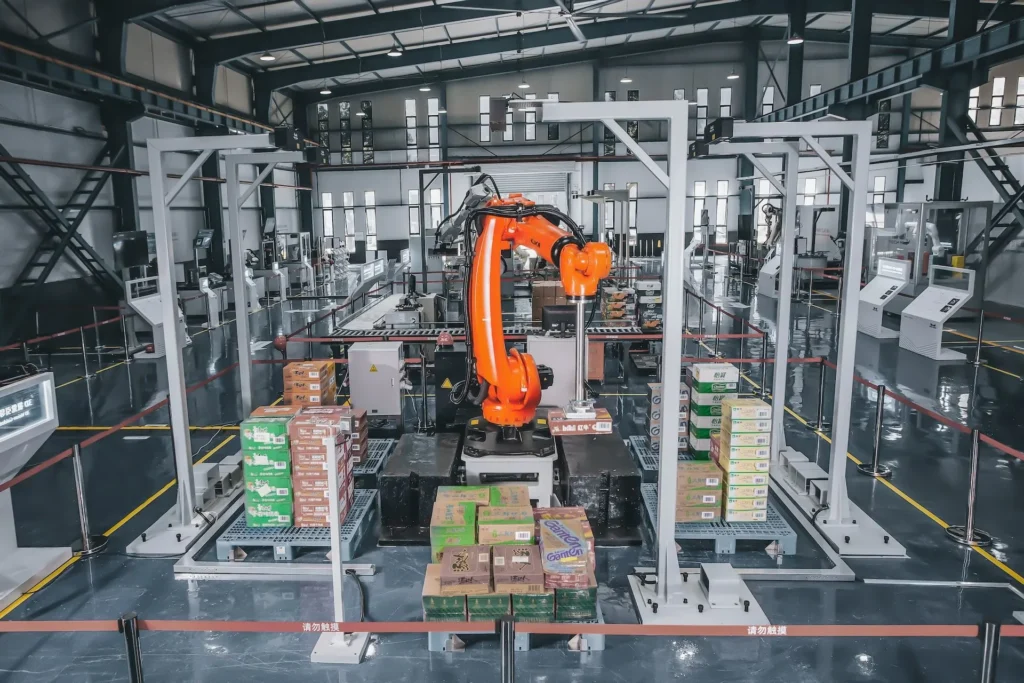
Robotics and automation involve using robots and automated systems to handle tasks such as picking, packing, and sorting in warehouses. 

Benefits

  • Speed: Robots can work continuously without breaks, significantly speeding up fulfillment processes. 
  • Accuracy: Robots are highly precise, reducing the likelihood of picking errors. 
  • Cost Savings: While the initial investment is high, automation can reduce labor costs and increase efficiency over time. 

Human Emotions

For employees, working alongside robots can initially be daunting. However, as they see the benefits of reduced physical strain and improved efficiency, they often come to appreciate the support. Customers, on the other hand, enjoy faster and more reliable deliveries, leading to increased trust in the retailer. 

Artificial Intelligence (AI) and Machine Learning

AI and machine learning are providing significant breakthroughs in retail logistics and supply chain management. They analyze data to predict demand, optimize inventory levels, and personalize customer experiences. 

Benefits

  • Forecasting: AI can predict demand trends, helping retailers stock the right products at the right time. 
  • Personalization: Machine learning algorithms can personalize product recommendations, improving the shopping experience. 
  • Efficiency: AI can optimize supply chain operations, reducing costs and improving fulfillment times. 

Human Emotions

Retail employees benefit from better demand forecasting, as it reduces the stress of managing stock levels and improves operational efficiency. Customers enjoy personalized shopping experiences and the convenience of finding what they need when they need it, fostering a deeper connection with the brand. 

Internet of Things (IoT)

IoT involves connecting devices and systems to the internet, enabling them to collect and exchange data. 

Benefits

  • Visibility: IoT devices can provide real-time tracking of inventory and shipments. 
  • Efficiency: Automated systems can monitor and manage stock levels, reducing the need for manual intervention. 
  • Proactive Maintenance: IoT sensors can detect potential issues in warehouse equipment, allowing for proactive maintenance and reducing downtime. 

Human Emotions

For employees, the enhanced visibility and efficiency provided by IoT reduce the stress associated with manual tracking and troubleshooting. Customers benefit from more accurate delivery estimates and better overall service, leading to increased satisfaction and loyalty. 

Overcoming Challenges in Technology Integration

While the benefits of technology integration are clear, the process of implementing these technologies comes with its own set of challenges. Let’s explore some of these challenges and how retailers can overcome them. 

High Initial Costs

  • The Challenge: The upfront investment required for advanced technologies can be prohibitive, especially for small and medium-sized retailers, unlike the largest e-commerce retailers. 
  •  The Solution: Retailers can start by implementing scalable solutions that grow with their business. Cloud-based systems often offer flexible pricing models, allowing retailers to pay only for what they use. Additionally, the long-term cost savings and efficiency gains from technology integration can offset the initial investment. 
  •  Human Touch: It’s natural for decision-makers to feel hesitant about significant investments. However, viewing these investments as steps towards long-term growth and sustainability can provide reassurance. Sharing success stories from other retailers who have successfully implemented technology can also build confidence. 

Training and Adoption

  • The Challenge: Employees may resist new technologies due to a lack of familiarity or fear of job displacement. 
  • The Solution: Comprehensive training programs and ongoing support are essential. Involving employees in the selection and implementation process can also help them feel more invested and less resistant to change. 
  • Human Touch: Empathy plays a crucial role here. Acknowledging employees’ concerns and providing reassurance about job security can alleviate anxiety. Celebrating small wins and recognizing employees who embrace new technologies can foster a positive culture of innovation. 

Integration with Existing Systems

  • The Challenge: Integrating new technologies with existing systems can be complex and time-consuming. 
  • The Solution: Choosing technologies that offer seamless integration capabilities is key. Working with experienced technology partners who understand the retailer’s unique needs can also facilitate a smoother integration process. 
  • Human Touch: Patience and clear communication are vital. Keeping all stakeholders informed about the integration process and expected timelines can reduce frustration. Highlighting the long-term benefits can help maintain morale during the transition period. 

Data Security and Privacy

  • The Challenge: Handling customer data securely is critical, and new technologies can introduce potential vulnerabilities. 
  • The Solution: Implementing robust security measures, such as encryption and regular security audits, is essential. Choosing technology partners with a strong track record in data security can also provide peace of mind. 
  • Human Touch: Transparency with customers about data security practices builds trust. Retailers should communicate their commitment to protecting customer data and be proactive in addressing any security concerns. 

The Future of Retail Fulfillment

As technology continues to evolve, so too will the capabilities of retail fulfillment systems. Future advancements may include: 

  • Augmented Reality (AR): Enhancing the picking process by providing visual overlays that guide employees to the correct items. 
  • Blockchain: Increasing transparency and security in the supply chain by providing an immutable ledger of transactions. 
  • 5G Connectivity: Enabling faster and more reliable communication between devices, improving real-time data exchange and operational efficiency. 

How Qafila Can Help

Do not get overwhelmed by the thoughts of integrating technology into your fulfillment operations because Qafila offers an easy way out. We are in sync with the latest retail technological trends and understand how they work. So, we can ensure seamless technological integrations for your retail fulfillment needs. 

  • We analyze your current model to discover areas needing technological intervention. 
  • We suggest and implement the best-fit technological solutions for retail fulfillment 
  • We are always available for further assistance. 
  • In all, we make technological integrations as simple as possible.  


Qafila continues to offer cost-effective B2B fulfillment solutions. 

Conclusion

Integrating advanced technologies into retail fulfillment processes offers a transformative opportunity for retailers. By adopting real-time inventory management systems, automated order processing, warehouse management systems, robotics, AI, and IoT, retailers can streamline their operations, improve accuracy, and enhance customer satisfaction.  

You May Also Like

ECommerce Packaging Trends and Insights 2026: Monthly Market Update

ECommerce Packaging Trends and Insights 2026: Monthly Market Update

Zero Backlogs, Faster Deliveries: Qafila’s Peak-Season Fulfillment Success Story for an Electronics Brand Introduction In 2026, eCommerce packaging is being pulled in three directions at once: cost pressure from shipping and returns, rising sustainability expectations, and the need to stand out in a crowded digital shelf. Across markets, the “winning” packaging playbook looks less like […]
Just-In-Time Fulfillment Excellence for a Consumer Electronics Retailer

Just-In-Time Fulfillment Excellence for a Consumer Electronics Retailer

Seamless Fulfillment for Rapid Growth: A GCC Beauty Brand’s Success Story with Qafila Introduction Rapid growth across Amazon and multiple online marketplaces pushed a consumer electronics retailer to rethink its fulfillment operations. Faced with rapidly evolving product lines and volatile order volumes, the retailer leveraged Qafila’s advanced logistics network and technology-driven solutions to optimize inventory management, streamline order processing, and […]

Scaling Peak-Season Fulfillment for a Consumer Electronics Retailer

Scaling Peak-Season Fulfillment for a Consumer Electronics Retailer

From Self-Fulfillment to Seamless Logistics-How Qafila Resolved a Skin Care Brand’s Fulfillment Struggles in the GCC Introduction As peak-season demand surged, a fast-growing consumer electronics e-commerce retailer in the GCC faced mounting fulfillment pressure. Partnering with Qafila, a UAE-based e-commerce fulfillment specialist, the retailer transformed their operations. Qafila’s agile solutions enabled same-day fulfillment, improved order accuracy, and […]

From Warehouse to Living Room: Qafila’s White-Glove Packaging and Delivery For Consumer Electronics Brand

From Warehouse to Living Room: Qafila’s White-Glove Packaging and Delivery For Consumer Electronics Brand

Taking a High-Profile Egypt Beauty Brand to UAE Consumer Introduction Qafila, an efficient third-party logistics (3PL) provider, partnered with a major electronics brand to address complex packaging and distribution needs for their high-value consumer electronics. This case study highlights how Qafila delivered customized fulfilment solutions to streamline packaging processes, enhance product protection, and improve delivery efficiency for their client’s innovative electronic products, such as […]

Enhancing Last-Mile Delivery for a Smart Home Tech Retailer

Enhancing Last-Mile Delivery for a Smart Home Tech Retailer

Optimizing E-Commerce Fulfillment with Qafila – Success Story of A Leading Beauty Brand in the UAE Introduction A rapidly expanding smart home technology retailer in the GCC region faced rising last-mile delivery costs and inefficiencies that threatened customer satisfaction and profitability. By partnering with Qafila, a UAE-based e-commerce fulfillment expert, the retailer optimized their last-mile operations, reduced delivery […]

Zero Backlogs, Faster Deliveries: Qafila’s Peak-Season Fulfillment Success Story for an Electronics Brand

Zero Backlogs, Faster Deliveries: Qafila’s Peak-Season Fulfillment Success Story for an Electronics Brand

Reducing Last-Mile Delivery Costs for a UAE Book and Stationery E-commerce Brand Introduction In 2024, a trailblazer in consumer electronics in the UAE renowned for its innovative gadgets and smart wearables—partnered with Qafila to reinvent its fulfillment operations during peak seasons. Faced with unpredictable surges in demand, the brand needed a fulfillment solution that could adapt on the fly, ensuring that […]